Stone Fruit Blog
This is you’ll learn more about our authors, our process, and our books. Be on the lookout for bonus content, new release alerts, and more. Subscribe to receive updates via email!

The Scene I Didn’t Write
Write about what you know is arguably the most famous, most repeated advice on writing known to human kind. Its sound advice; attributed to Mark Twain and in some cases Ernest Hemingway, both prolific writers. If you’re going to take writing advice, which I don’t always encourage for various reasons, it should be from people who at the very least got out there and did the thing we aspire too.
Writing What We Love
Later this month, my first solo book will come out. More Than Wishes. Don’t worry. Andrea read it at least three times to make sure I didn’t do anything too crazy.
I say “too” because it is a slight detour from the small-town romance you find in beautiful Osage Beach. For starters, it’s not in a small-town. The setting is in a metro-Atlanta area park, USA. There’s also a genie, cute puppies, a Honda Shadow, and a dragon.
Mutual Trust and Best Intentions
So Tabi and I had a first the other day. It was the first time we talked on the phone, in real time. Not texts, not comments on a document, not emails, not voicenotes, but real life talked-on-the-phone. But Andrea, you say, haven’t you co-written and published 3 books, with the 4th on the way (and a novella in the works)? Why, yes, yes we have.
But we did it all without having met or spoken IN. REAL.TIME. If that sounds odd to you, don’t worry, it seems odd to us as well.
No AI
Today’s blog is all about Artificial Intelligence or AI. Actually, that’s a total lie. Today’s article is about AP, artist prerogative. AI will be used for context but never content. Here’s what I mean:
No AI was used in any part of the making of this book.
This tag line can be found on the copyright page of each book in the Moore Love series. Similarly, at the bottom of every page on our website are the words:
Stone Fruit Press does not use AI generated content.
Inspiration and incubation = authentic stories
Write what you know.
It’s classic advice for writers and storytellers. Personal experience lends to the authenticity of the tale you are telling. This doesn’t mean all stories need to be autobiographies. For most of us, that would be very boring. Not sure you want to hear about my life as a suburban mom of three kids. So if you don’t like sci-fi fandom, it’s probably not a great idea for you to write an epic astronaut adventure. If you know nothing about 18th century London, historical fiction is probably not for you either. For me though, it’s romance. I think I have been pretty clear, I like happy endings you find in romance books (see March’s Blog for more on happy endings), so I write love stories in authentic-feeling small-towns.
Feedback: The good, the bad, and the painful
I got a bad grade.
Yeah, I know, cue the tiny violin, but hear me out. For a discussion post assignment, I received 25 out of 35 possible points for my “Insight, Organization, and Clarity.”
That 71% was averaged out with the responses to a decent-ish grade. But the feedback said, “Some of your sentences and ideas need to be clearer.” As a writer, this was a tough pill to swallow. In addition to this blog, I have founded two writing workshop groups, published two novels with my writing partner, Andrea, and have written two independent novels due out this year. And I have a day job: Technical Writer.
The Need for HEA: Happily Ever After
All romance novels have a HEA, aka Happily Ever After. Just like fairytales we read when we were children, the story ends with happy feelings, contentment. Sometimes it’s the whole shebang, loving marriage and lots of babies. Sometimes it’s just a really healthy and happy relationship. There are so many tropes used in romance novels, like enemies to lovers, grumpy-sunshine, forced proximity, and brother’s best friend. According to Tiktok, there are also microtropes like ‘he washes her hair’ or ‘there is only one bed available’. These tropes and microtropes can be mixed and matched and can be used in abundance, but there is always a HEA. This is a must in the romance genre. In fact, it defines the genre.
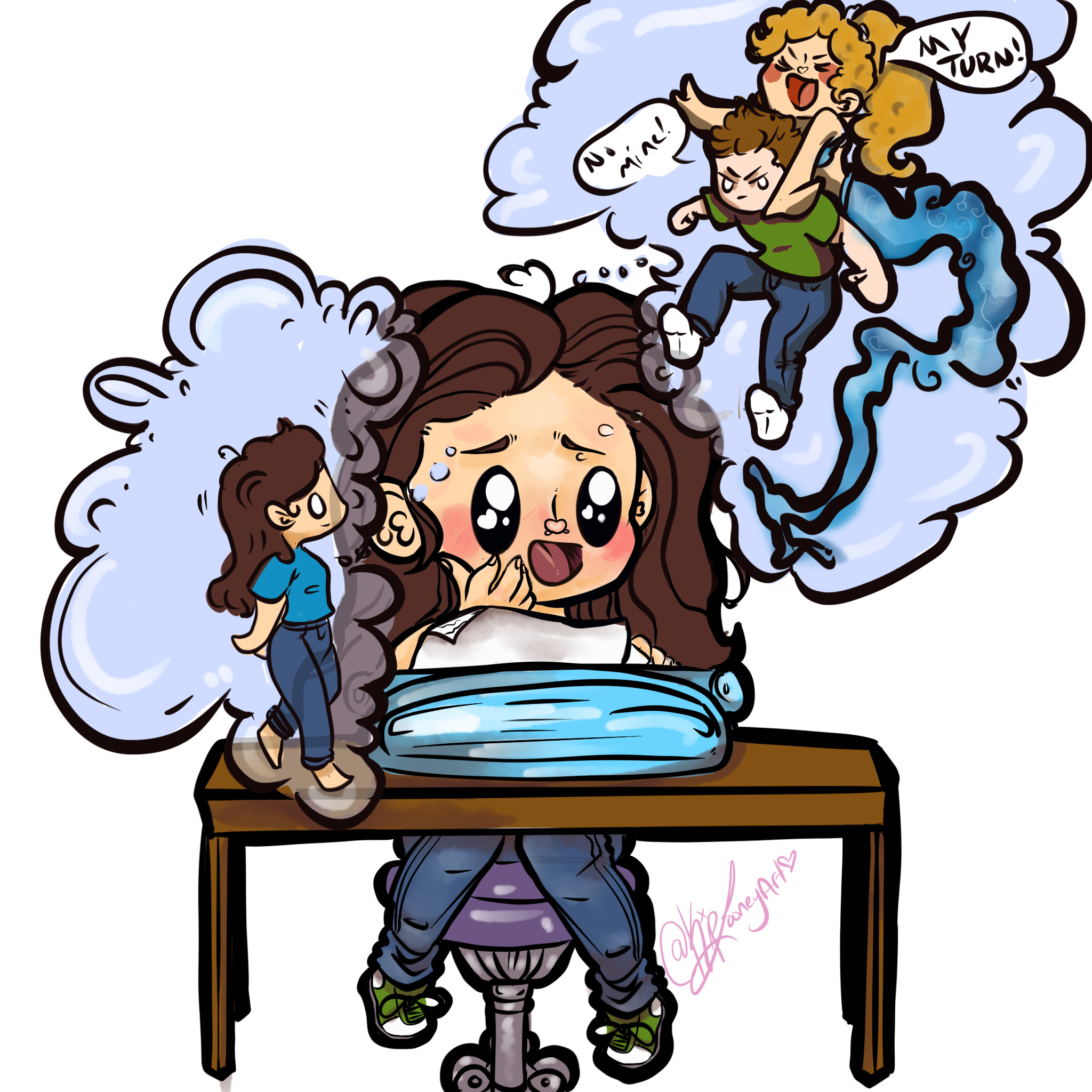
Voices In My Head
Picture this: I’m working on a story with a park ranger, a genie, and a dragon. When the female protagonist can’t work up the nerve to tell the cute guy she likes him, the genie lets him hear her thoughts. The following conversation ensues;
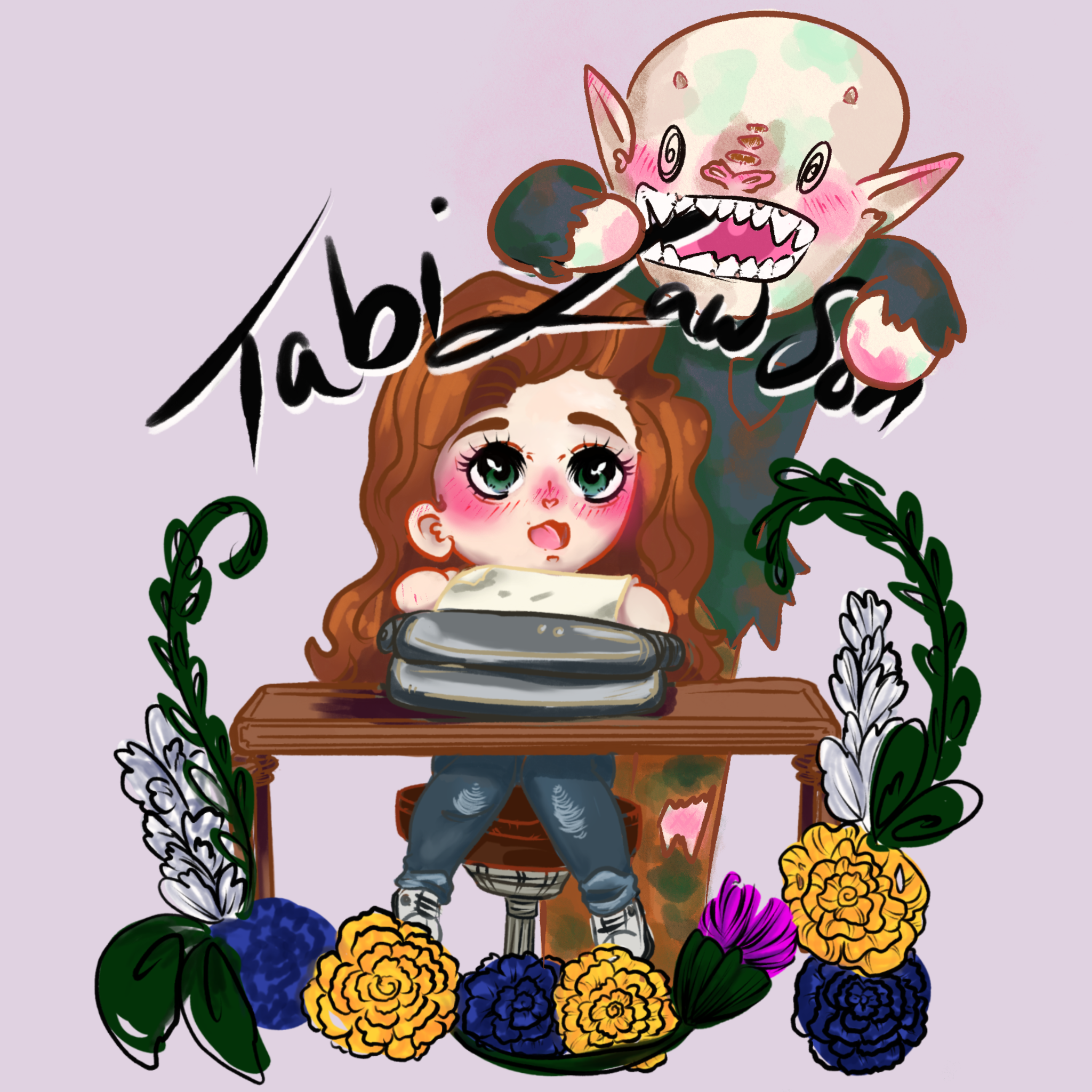
The Revision Monster
There are many aspects of writing a novel that are daunting. In most cases, works of fiction are born out of pure imagination. At least, that’s what the disclaimer, “This is a work of fiction; any resemblance to persons is coincidental” would have us believe. Saving the discussion of the true nature of characters on a page for a later date, much of what appears in a novel is formed in the writer’s mind.
How Being Co-Authors Works for Us
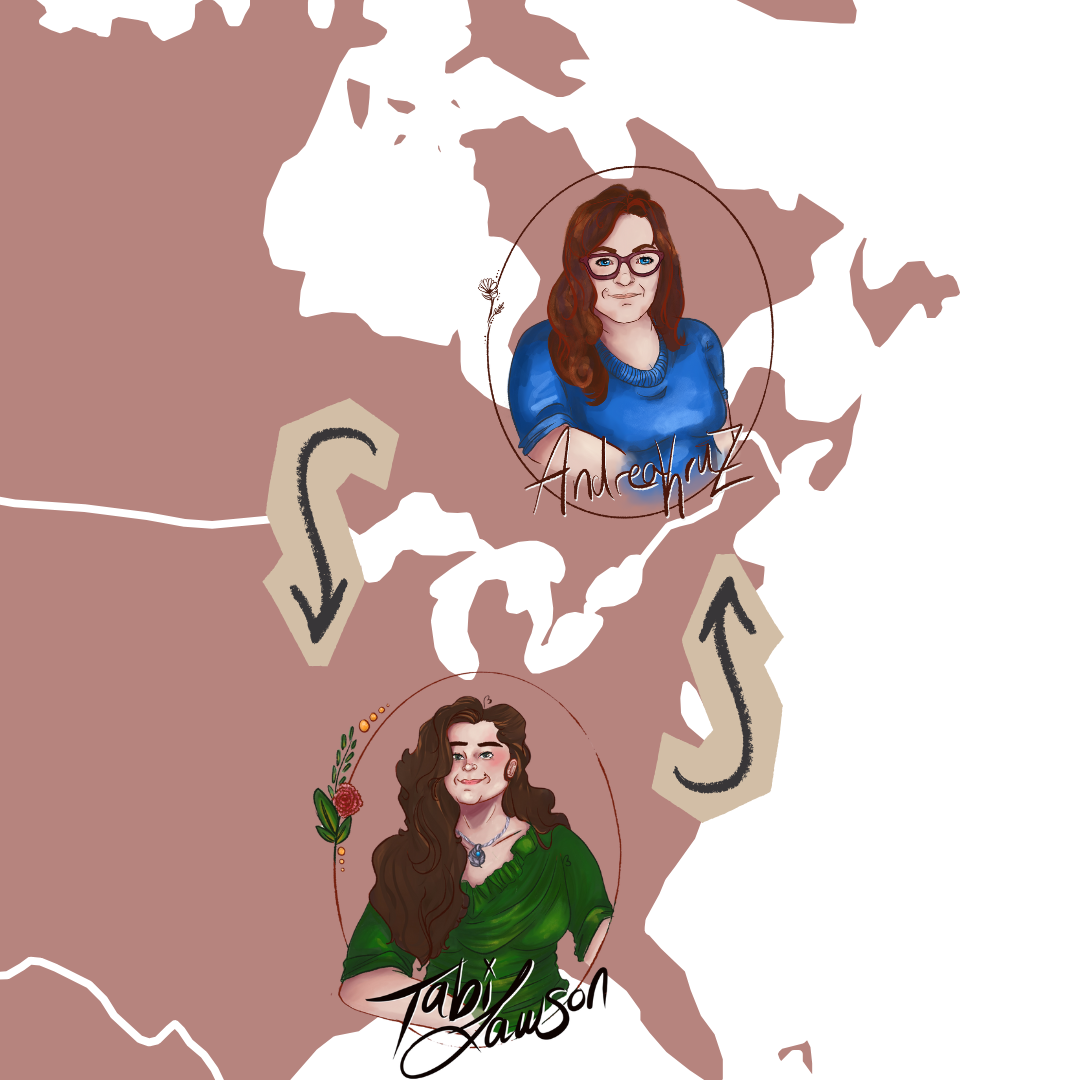
The journey that Tabi and I have traveled to publish Rossi’s Cottage is not typical. Being co-authors is already pretty rare in the romance genre, unless you are both established writers, like Luanne Rice and Joseph Monninger in The Letters, collaborating on a book or series. And being co-authors who have never met in person, I am going to go out on a limb and say, it is the rarest of rare. But the success of Rossi’s Cottage is proof that it’s possible.

More than a Fish in the Sea
Why being a romance author feels as daunting as speed dating.
If you’ve ever heard the expression “there are plenty of fish in the sea,” you probably know it applies to dating. For those of you who haven’t heard it, imagine guys sitting around a bar after one gets dumped for dragging his feet, while his well-meaning bros tell him, “Forget her. There are plenty of fish in the sea.”

What made me think I could write a book.
What made me think I could write a book? Bold and unwarranted hubris? Perhaps. Absolute delusion? Probably. But mostly, my inflated view of self comes about because of Malcolm Gladwell’s 10,000-hour rule from his book Outliers. The concept is simple. You can become an expert in anything if you put roughly 10,000 hours into it. Years of training as a ballerina or violinist, about 10,000 hours worth, result in proficiency and excellence.

Writing Ugly
There’s a scene in CODA, which stands for Child of Deaf Adults, where Ruby Rossi is told she is trying too hard to sound good. Her vocal coach encourages her to let her true voice come out by singing ugly. If you haven’t seen the movie, Ruby is the only hearing child of two deaf parents. The story follows her as she prepares to apply to college as a vocal major. I highly recommend the film.

The Writer Who Couldn’t Write
Gather around ladies, gentlemen, and non-binary friends to listen to one woman’s journey from avid reader to potential writer. This tale is about a young woman (okay, a middle-aged woman) who had a career hiccup, leaving her a little without purpose. Work, kids, and being an adult had resulted in very few hours to herself, so with more free time, she dove back into something she loved--reading. As a voracious romance and fantasy reader, she read about 250 books a year for a few years. At some point, stories started to appear in her head. Sometimes it was just scenes or a few lines of text, but the ideas kept coming. Then characters and storylines started developing. Still with time on her hands, she decided to try her hand at writing down these stories.

The Writer Who Lost Her Way
At the local coffee shop, with a latte and a laptop to write, I feel like I’ve arrived someplace real, but the truth is, I’m lost.
My next meeting starts in twenty-seven minutes. How much can I really write in that time? More importantly, how can I create within those limitations?